
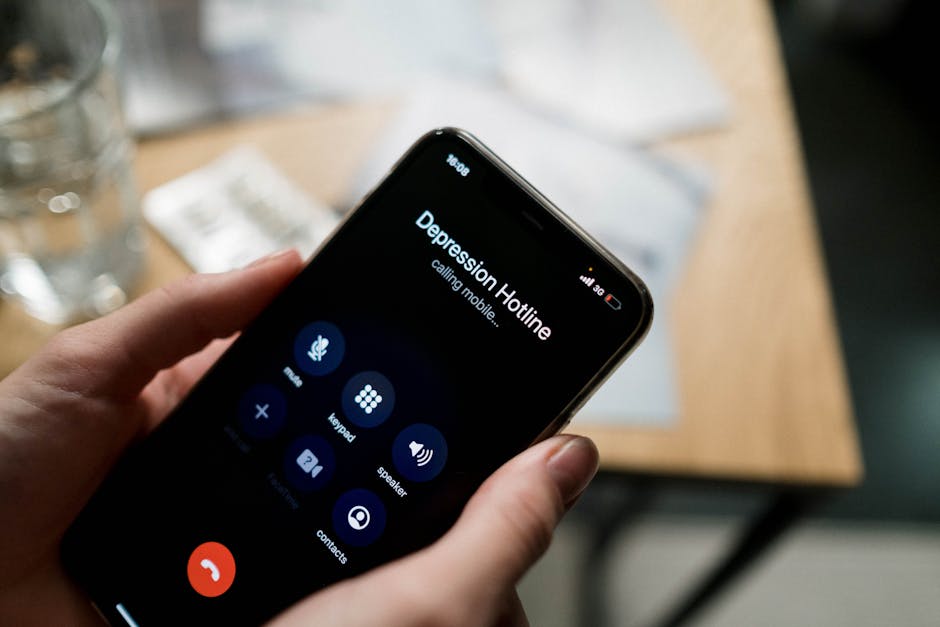
Sunday-night mental health help in Houston starts with two checks: decide whether the situation can safely wait until Monday, then confirm that a low-cost service is open before leaving home. Call or text 988 if you or someone with you is in emotional crisis, thinking about suicide, or unsure how to stay safe tonight; call 911 when there is immediate danger or a medical emergency.
At 9:18 p.m., Luis sat in a parked car outside his sister’s apartment near downtown Houston, holding a phone charger with a frayed cord. His sister had locked herself in the bathroom and said she did not trust herself to be alone. Luis had no insurance card to check, no clinic he knew, and several search results that appeared to offer counseling without clearly saying whether anyone would answer on Sunday night.
Waiting until morning could leave her alone during a crisis. Driving to a closed office could waste the time when she was still willing to accept help.
Luis stopped comparing clinic websites and called 988. That call became the first step, while a search for affordable follow-up care became the next one.
Decide what needs to happen tonight
Start with safety, before cost, insurance, or appointment availability.
Call or text 988 when someone is having thoughts of suicide, feels unable to stay safe, is in severe emotional distress, or is facing a substance-use crisis. You can also contact 988 because you are worried about another person. You do not need to prepare the right words. State what is happening now, where the person is, and whether there is immediate danger.
Call 911 if someone has taken action to harm themselves, may have overdosed, has a serious injury, is unconscious, cannot be awakened, or poses an immediate danger to themselves or another person. If you can do so safely, stay nearby and move weapons, medications, or other means of harm out of reach.
Do not ask a person in crisis to prove that the situation is serious. A plain sentence works: “I’m staying with you, and we’re going to call for help now.”
If the person feels safe for the night, can stay with a trusted adult, and wants help arranging care, move to the service search. If you remain uncertain, 988 can help you think through the next step. CaminoCare routes urgent warning signs through fixed emergency rules before any AI call, but it does not replace 988, emergency responders, or a clinician.
Search for a service that fits the real constraints
A useful Sunday-night search needs more than “therapist near me.” Write down the facts that will decide whether the person can use the service:
- The Houston ZIP code where they are now
- Whether they have Medicaid, another insurance plan, or no insurance
- Whether they need service in Spanish
- How far they can travel
- Whether they need help tonight or can call Monday
- Whether phone or video support would work until an in-person visit is available
CaminoCare searches public behavioral-health and safety-net care data by ZIP code. You can filter for uninsured access, sliding-scale fees, Medicaid acceptance, and Spanish availability. Each result can include its address, distance, tap-to-call number, source, and data-freshness date.
Search anonymously with only a ZIP code. The Finder and Guide do not require an account or ask immigration questions.
Recent information about affordable counseling in Houston points people toward sliding-scale therapy, insurance benefits, employee assistance programs, telehealth, and community support. Treat these as separate paths. A sliding scale may reduce a fee based on income, while Medicaid acceptance, an employer benefit, or a free program follows different rules. Ask which path applies before scheduling.
Confirm that “open” means help is available now
Sunday listings deserve a phone call. Hours can change, and an organization’s building hours may differ from the hours when a crisis line, intake worker, or clinician answers.
Use this checklist before leaving:
- Check whether the listing shows current hours or a permanently closed status from a verified Google Places match, when available.
- Read the source and freshness stamp. A recent update helps, but it does not guarantee that tonight’s staffing has stayed the same.
- Tap the phone number and ask, “Are you accepting people tonight?”
- Ask whether the service handles mental health needs, substance-use needs, or both.
- Confirm the expected cost for someone with your coverage status.
- Ask whether walk-ins are accepted or an appointment is required.
- Confirm Spanish availability if it matters for the conversation.
- Write down the name of the person who answered and what they told you.
No answer is useful information. Do not drive across Houston based only on a search snippet or an old directory entry. Try the next suitable listing, use 988 when the situation cannot safely wait, and report incorrect clinic details so they can be reviewed. The same principle appears in this guide to checking clinic hours before leaving.
Make Monday’s first call easier
After the 988 conversation, Luis stayed with his sister. They used her ZIP code to identify behavioral-health options, filtered for uninsured access, and saved two phone numbers for the morning. One listing showed where its information came from and when it had been updated, but they still planned to call before traveling.
Their note for Monday was short: ask about the earliest intake, the fee without insurance, Spanish availability, and what identification or paperwork to bring. They also wrote down a backup option in case the first service could not accept a new patient.
That small plan changed the morning. Luis did not have to restart a broad search while watching his sister’s distress rise again. He had two numbers, four questions, and a clear rule: if she could no longer stay safe, they would call 988 again or 911 for immediate danger.
Comments
No comments yet.