
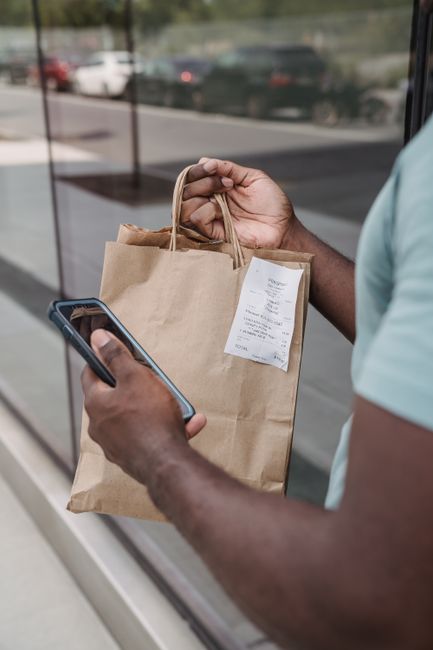
An uninsured parent in Houston can search ZIP code 77002, filter for clinics that take uninsured patients, and tap a phone number to call before work. CaminoCare does this without an account, a name, or immigration questions.
At 7:10 a.m., imagine Marisol standing at her kitchen counter with one shoe on, packing crackers into her son Nico’s backpack. Her throat has hurt for several days, and swallowing now makes her stop mid-sip. She needs to leave for work soon, but she has no insurance and no regular doctor.
Missing the shift could put her next rent payment at risk. Waiting could mean feeling worse tomorrow, with even less time to find help. She has one useful window: the few minutes before Nico needs to leave.
Start with the one detail that narrows the search
Marisol opens the clinic finder on an older Android phone and enters 77002. That ZIP code gives her a practical starting point without asking for her address or permission to track her location.
The results can include community health centers, free and charitable clinics, urgent care, hospitals, and behavioral health services gathered from distinct public datasets. Each listing shows its distance, address, phone number, source, and data freshness.
Distance alone does not settle the question. A nearby office may require insurance, while another location may take uninsured patients or charge on a sliding scale. Marisol uses the uninsured filter first. If she needs care in Spanish or wants a clinic that accepts Medicaid, those filters are available too.
A ZIP code can reduce a nationwide directory to a workable list while protecting personal details. Can a ZIP Code Help Me Find Care Without Insurance? explains why that small piece of information can be enough to begin.
Turn a search result into a phone call
At 7:16, Marisol sees a clinic option with an uninsured-access label and a phone number she can tap. The listing also shows when the underlying data was updated. Where a location has been matched through Google Places, CaminoCare may show current hours and whether the business is marked permanently closed.
She still needs to call. Clinic hours, fees, and appointment availability can change between updates, and an uninsured-access label does not guarantee eligibility or a particular price.
Her thumb pauses over the number. If nobody answers, or if the clinic cannot see her, she may have to leave for work without a plan.
She taps.
For this illustrative scene, the important turn is not a promised appointment. It is the move from searching vaguely for “a cheap doctor” to calling one specific place with the right questions ready. Marisol can ask:
- Do you see patients without insurance?
- Do you offer sliding-scale fees?
- Are appointments available, or do you take walk-ins?
- What should I bring?
- Is Spanish available?
If the first option cannot help, she has other relevant listings in the same search instead of starting over. She can also report incorrect information for review if a number, address, or status has changed.
Use the Guide when the right place is unclear
A clinic list helps when Marisol knows she needs routine care. The Guide helps when she is unsure whether her situation belongs at a community clinic, urgent care, a hospital, or another type of service.
She answers a few questions in plain language. CaminoCare then creates a concrete care-navigation plan with a suggested type of care, nearby options, and a preparation list. The plan can be shared with a family member or caseworker.
CaminoCare provides navigation, not diagnosis or treatment. It cannot promise that a clinic will accept Marisol, charge a certain amount, or have an opening.
Urgent warning signs follow a separate safety path. Deterministic emergency rules check for red-flag symptoms before any AI call and direct the person toward emergency help when needed. Someone with severe or life-threatening symptoms should call 911 rather than wait for a clinic search.
For another practical Houston example, see How Can I Find Uninsured Sore Throat Care in Houston Before Work?.
Leave with a plan, even without an account
At 7:24, Nico is at the door with his backpack zipped. Marisol has a clinic address, a tap-to-call number, and a short list of questions for the front desk. If she uses the Guide, she can also keep or share the resulting care plan.
She did not enter her name. She did not answer an immigration question. She did not create a password while watching the clock.
Optional Google or Apple sign-in can save care plans across devices, but the Finder and Guide remain free and anonymous. The basic path asks only for a ZIP code.
Before putting on her other shoe, Marisol writes the clinic number on the back of a grocery receipt. If the call drops later or her battery runs low, she still has one concrete next step in her pocket.
Comments
No comments yet.